
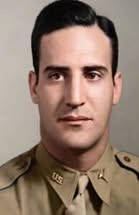
The community of Baltimore, Maryland, remembers the life and legacy of Captain Frank Cone, a respected physician and U.S. Army Medical Corps officer whose dedication to medicine and military service placed him among those who made extraordinary sacrifices during World War II.
Born on June 24, 1910, to Dr. Sydney and Bessie Cone, Frank Cone pursued a career in medicine and became a graduate of Johns Hopkins University and Johns Hopkins Medical School. His professional training prepared him for a life centered on caring for others, but his commitment to service would eventually take him into one of the most difficult chapters of American military history.
Cone married Marian Jones of Carthage, Missouri, in 1933, and the couple had two sons. He later served as a member of the Reserve Officers’ Medical Corps before volunteering for active duty. In April 1941, he was sent to the Philippines as the United States moved closer to the wider conflict of World War II.
Following the Japanese invasion of the Philippines and the surrender of American forces, Captain Cone became a prisoner of war. He was subjected to the Bataan Death March before being transferred to the Cabanatuan prisoner-of-war camp.
Even under conditions of extreme hardship, Cone continued to practice the principles that had defined his life as a physician. At Cabanatuan, he worked at the prison hospital and provided medical attention to fellow prisoners despite shortages of medicine, food, and other essential supplies. Accounts of his service describe a man who remained focused on helping others even while enduring the same brutal conditions himself.
The conditions inside the camp were devastating. Prisoners faced malnutrition, disease, inadequate medical treatment, and overcrowding. Medical personnel such as Cone were often forced to care for others while their own health deteriorated.
Captain Cone eventually became seriously ill while in captivity. Historical accounts indicate that he was diagnosed with intestinal cancer. Knowing that his condition was worsening, he gave personal possessions to others for safekeeping, including items intended for his family.
Frank Cone died in Japanese captivity on September 3, 1942, at the age of 32. He was initially buried in a common grave at the camp before his remains were later recovered and reinterred at the Manila American Cemetery and Memorial in the Philippines. He was also recognized with the Bronze Star for his service.
Although more than eight decades have passed since his death, Cone’s story continues to represent the courage and compassion of military physicians who served under extraordinary circumstances. His work demonstrated that the responsibility of a doctor does not disappear during wartime; instead, it can become even more important when people are at their most vulnerable.
For Baltimore, where Cone’s medical and personal roots were established, his story remains part of a larger history of service and sacrifice. His life connected medicine, family, military duty, and compassion in ways that continue to resonate generations later.
Captain Frank Cone’s legacy is therefore remembered not simply because he served during World War II, but because he continued caring for others when doing so placed his own life at risk. His dedication to his fellow prisoners stands as a lasting testament to the values he carried with him throughout his life.

Leave a Reply